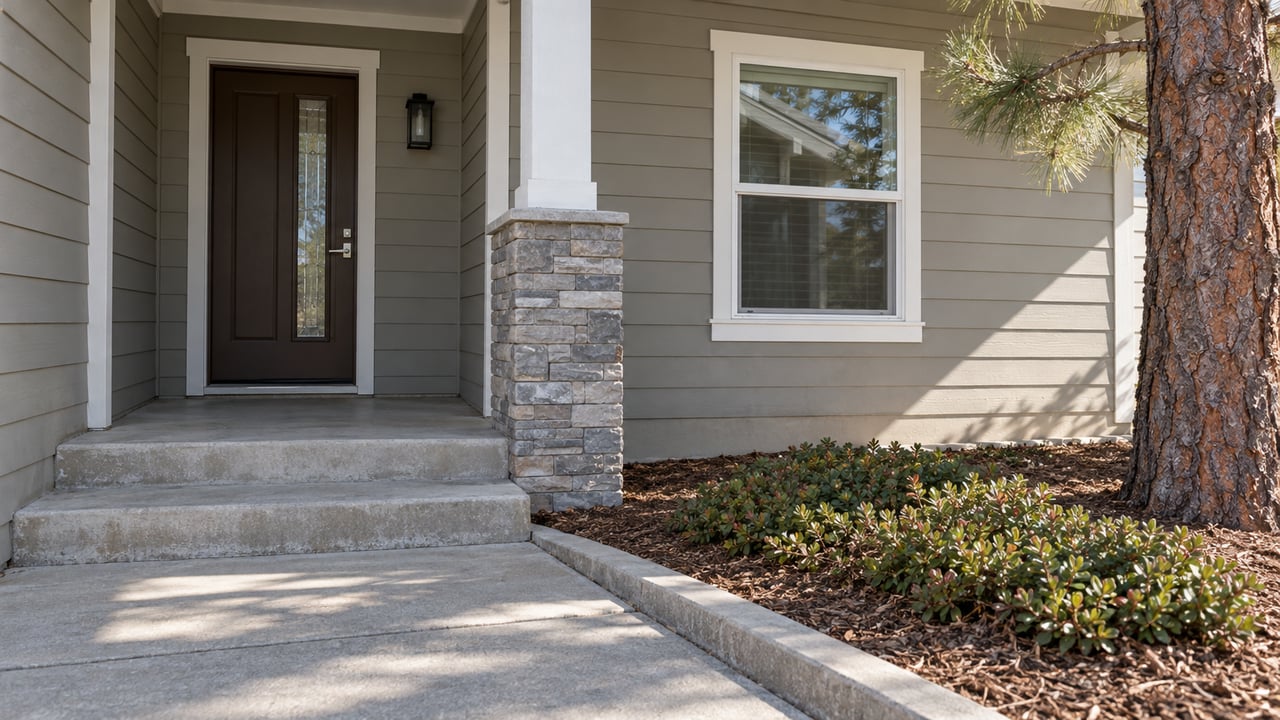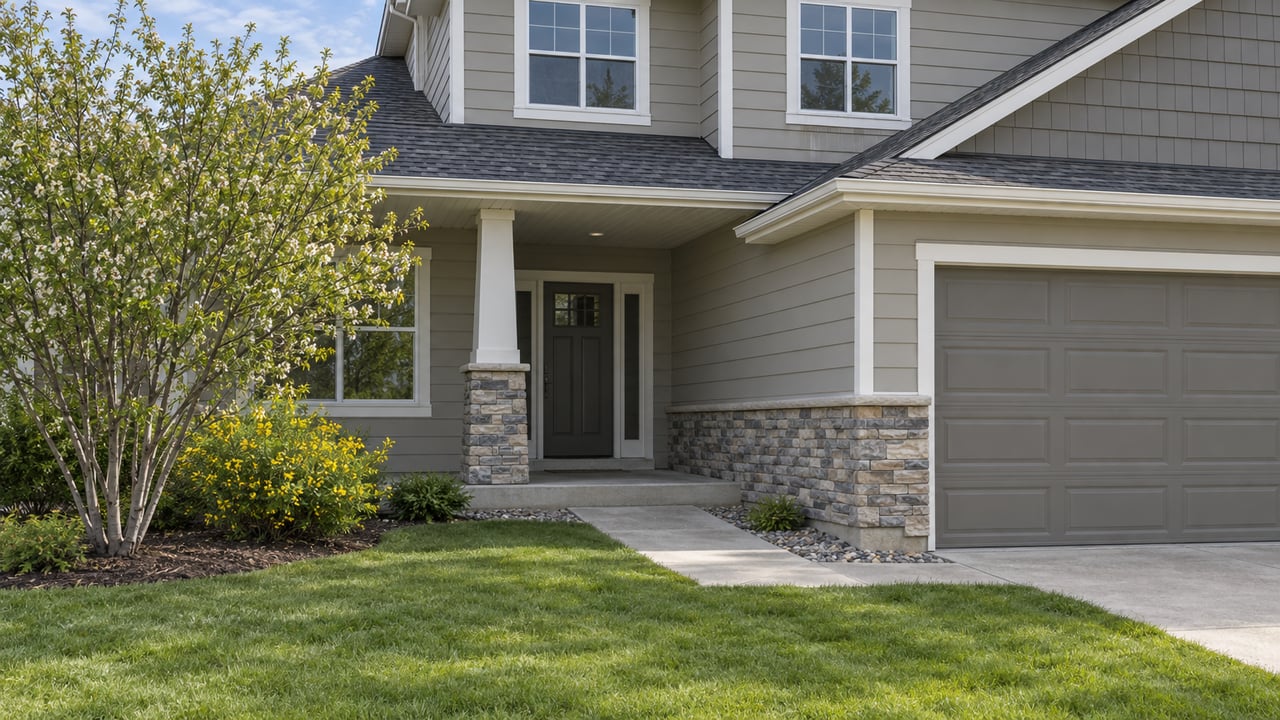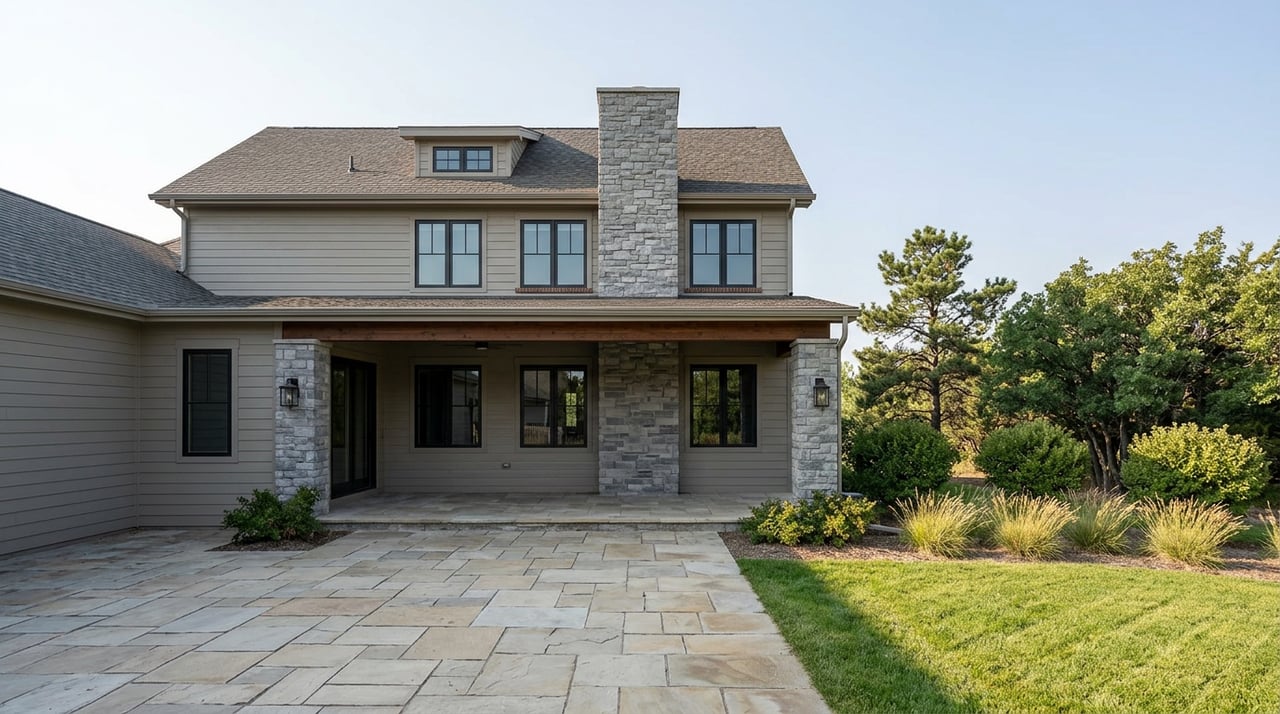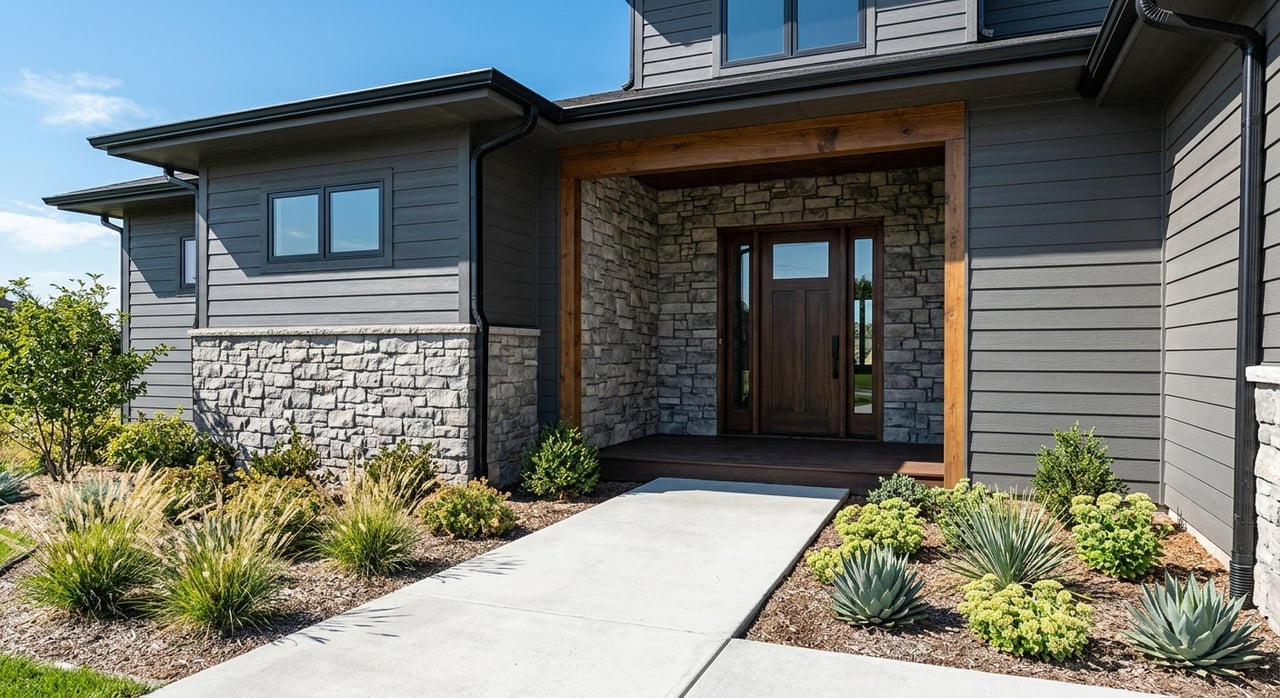
If you are shopping for a home in Castle Pines, the HOA may shape more of your day-to-day experience than you expect. From paint colors and landscaping to fences, patios, and parking, community rules can affect both how you live in the home and how you maintain it over time. The good news is that once you know what to review and who controls what, you can move forward with more confidence. Let’s dive in.
How HOA control works in Castle Pines
In Castle Pines, many communities do not operate under a single simple set of rules. Instead, you may see layered governance that includes a master association, a neighborhood HOA, and a separate design review or architectural control process for exterior changes.
That structure matters because each layer can have a different role. In Castle Pines North, for example, the master declaration governs the broader community, neighborhood HOAs may enforce added covenants, and most exterior improvements usually go through neighborhood design review or an architectural control process.
You may also find that some services are handled by a metro district instead of the HOA. In Castle Pines Village, the metropolitan district says it provides services such as water, wastewater, storm drainage, road maintenance, snow removal, and some right-of-way permit administration.
For you as a buyer, this means one practical thing: do not assume the HOA handles everything. A question about roads, snow removal, landscaping approval, or permits may involve the HOA, the metro district, the city, or a private sub-association.
Key HOA documents to review
Before you get too far into the process, it helps to know which documents carry the most weight. According to Colorado’s HOA Center, the homeowner-association relationship is contractual, and the main governing documents usually include:
- The declaration or CC&Rs
- Articles of incorporation
- Bylaws
- Rules and regulations
- Design guidelines
Colorado guidance explains that these documents do not all have the same authority. The declaration generally sits at the top, followed by articles of incorporation, bylaws, governance policies, rules and regulations, and design guidelines.
That hierarchy can become important if two documents seem inconsistent. If a design guideline says one thing but the declaration says another, the higher-level document may control.
Why the declaration matters most
The declaration is especially important because it is recorded with the county clerk and recorder. If you are still early in your home search and not yet under contract, this may be one of the few documents you can often access more easily than the full HOA package.
The broader set of HOA documents usually comes later through the seller, broker, HOA, or management company. Colorado also notes that there is no central repository for all HOA governing documents, so gathering them often takes some effort.
What sellers typically provide under contract
Once you are under contract, Colorado’s standard residential contract requires a substantial package of association documents from the seller. This package can help you understand both lifestyle rules and financial risk before closing.
Documents commonly included are:
- Declarations and amendments
- Articles and bylaws
- Rules and regulations
- Meeting minutes
- Insurance information
- Assessment lists
- Recent financial documents
- Reserve study materials, if any
- Construction-defect notices
Colorado’s annual disclosure rules also require associations to make important records available, including budgets, current assessments, financial statements, insurance policies, meeting minutes, and governance policies. Reviewing these carefully can help you avoid surprises after move-in.
Design review rules affect common projects
One of the biggest issues for Castle Pines buyers is understanding that HOA approval is not the same as city approval. Even if your HOA signs off on a project, you may still need a permit from the City of Castle Pines.
The city says permits are required for many common projects, including additions, decks, patio covers or pergolas, pools or hot tubs, remodels, and fences over seven feet tall. The city also requires licensed contractors for permitted work and uses inspections before final approval.
This creates a two-step reality for many homeowners. First, you may need HOA or architectural approval. Second, you may need city permits and inspections. Missing either step can create delays and extra cost.
Landscaping rules deserve close attention
Landscaping is one of the most common sources of HOA confusion, especially in a place like Castle Pines where curb appeal, drought concerns, and wildfire mitigation all matter. Many communities review landscaping through a design committee or architectural process.
Colorado law gives homeowners some protection here. Associations may not prohibit xeriscape or drought-tolerant vegetative landscapes on property the owner is responsible for, but they may still regulate the type, number, and placement of plants and hardscapes through design or aesthetic guidelines.
In practical terms, that means you may have flexibility, but not unlimited freedom. A community may allow drought-tolerant landscaping while still requiring review of layout, materials, and visible design choices.
Wildfire planning shapes exterior choices
Castle Pines has a local wildfire-mitigation context that can make exterior rules more detailed than buyers expect. The city says it has partnered with South Metro Fire Rescue on a wildfire mitigation plan and provides wildfire-resistant plant lists and slash-mulch resources.
The city also advises residents to keep yards free of dry vegetation and to follow civic or HOA requirements before changing landscaping. So if you are considering new plantings, fencing, or exterior materials, wildfire-related guidance may be part of the conversation.
Colorado’s 2024 fire-hardened-material law adds another important layer. In general, covenants and similar restrictions may not disallow fire-hardened building materials in residential real property, including in common-interest communities, though HOAs may still apply reasonable standards for design, dimensions, placement, or exterior appearance.
Everyday-use rules can be very specific
Many buyers think of HOA rules mainly in terms of dues and common-area upkeep, but the day-to-day rules can be much more detailed. Local examples show that some communities regulate features and activities that affect the exterior appearance or street scene.
For example, the Hamlet HOA says all exterior changes, including landscaping and paint color changes, must be approved by its Design Review Committee. The same community also lists architectural controls that prohibit fences, playground equipment, and overnight on-street parking.
These examples are not universal across Castle Pines. Still, they show why it is smart to ask exact questions about the home and neighborhood you are considering rather than assuming one community works like another.
Questions to ask before closing
A careful review period can save you from buying into restrictions that do not fit your plans. If you know you may want to repaint, update landscaping, install a patio, add a pergola, or adjust fencing, you should investigate that before closing.
Here are smart questions to ask:
- Which entity approves exterior changes?
- What is the typical review timeline?
- Are there preapproved colors, materials, or plant lists?
- Are xeriscape or drought-tolerant plans restricted in any way?
- Are fire-hardened materials allowed subject to design review?
- Are fences, pools, patios, sheds, or paint changes restricted?
- Who handles roads, snow removal, water, and right-of-way work?
- Is the HOA professionally managed?
- Is the association registered with the state?
- Are there special assessments, reserve shortfalls, or enforcement concerns?
These questions can reveal both practical and financial issues. They can also help you compare two otherwise similar homes in very different communities.
Financial review matters too
Design rules usually get the most attention, but the financial side of the HOA deserves just as much care. Budgets, assessments, reserve study materials, and meeting minutes can show whether the association appears prepared for future maintenance and expenses.
You should also review any collection policies, covenant-enforcement policies, pending litigation, and construction-defect notices that are provided. These materials can help you understand not just current dues, but also the broader operating picture of the association.
What to do if the rules seem unclear
If the document package feels confusing, you are not alone. Castle Pines communities can involve overlapping HOA, metro district, and city rules, and the paperwork can be extensive.
Colorado’s HOA Center recommends consulting a professional such as an accountant or attorney if the documents are unclear. For many buyers, that extra review can provide peace of mind before a major purchase.
In my experience, the best outcomes happen when you treat HOA review as part of your full due diligence, not as an afterthought. A thoughtful, early review can help you avoid delays, reduce risk, and buy with a much clearer picture of how the community really works.
If you are considering a home in Castle Pines and want a more strategic review of the community, property, and approval issues that could affect your purchase, Christine Martin can help you navigate the details with clarity and confidence.
FAQs
What HOA documents should buyers review in Castle Pines?
- Buyers should review the declaration and amendments, bylaws, rules and regulations, design guidelines, budgets, financial statements, meeting minutes, insurance information, reserve study materials if available, assessment information, and any construction-defect notices.
Do Castle Pines homeowners need both HOA approval and city permits?
- Often, yes. HOA approval for an exterior project is separate from City of Castle Pines permit requirements for projects such as additions, decks, patio covers or pergolas, pools or hot tubs, remodels, and some fences.
Can an HOA in Castle Pines prohibit xeriscape landscaping?
- Colorado guidance says associations may not prohibit xeriscape or drought-tolerant vegetative landscapes on owner-responsible property, but they may still apply design guidelines for the type, number, and placement of plants and hardscapes.
Who handles roads and snow removal in Castle Pines communities?
- It depends on the community. In some areas, a metro district may handle road maintenance and snow removal, while in others a private sub-association may be responsible, so buyers should verify this for the specific property.
Are architectural review decisions in Colorado HOA communities arbitrary?
- No. Colorado guidance says architectural and landscaping decisions must follow the standards and procedures in the governing documents and may not be made arbitrarily or capriciously.
Why are HOA rules especially important in Castle Pines home searches?
- Castle Pines communities often have layered governance, design review requirements, and local wildfire-mitigation considerations, so HOA rules can directly affect renovations, landscaping, exterior materials, and everyday use of the property.