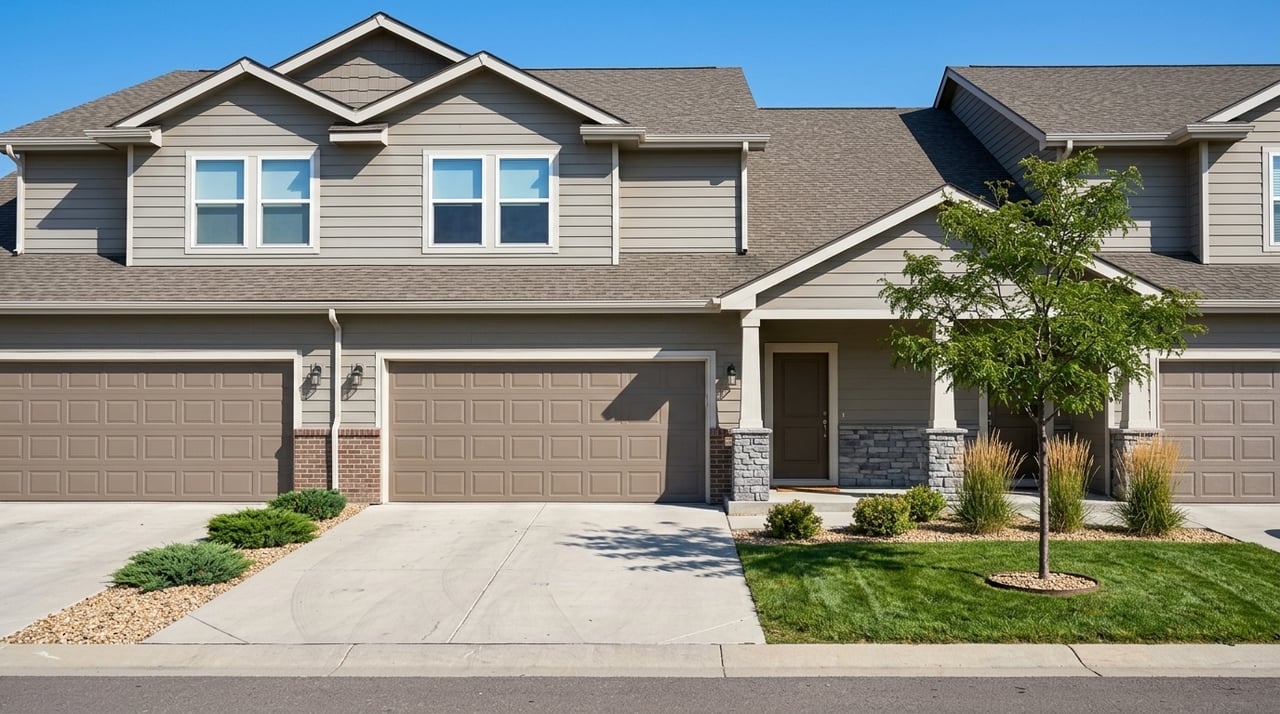
If you want a home in Highlands Ranch but a detached house feels like too much upkeep or too high a price point, a townhome or condo may be the right fit. Many buyers are looking for a simpler lifestyle without giving up access to parks, trails, recreation, and the everyday convenience that makes this community so popular. This guide will help you understand how attached-home living works in Highlands Ranch, what to watch for, and how to decide which option fits your goals. Let’s dive in.
Why attached homes stand out
In Highlands Ranch, condos and townhomes can offer a more approachable entry point than the broader housing market. Current listing snapshots show condos at a median listing price of about $475,000 and townhouses at about $549,000, while the overall median sale price in Highlands Ranch was $690,000 in March 2026.
That comparison should be read as directional, not exact, because the attached-home numbers are listing medians and the community-wide figure is a closed-sale median. Still, it gives you a useful sense of the market. If you want Highlands Ranch access with a potentially lower purchase price and less exterior maintenance, attached homes deserve a close look.
How Highlands Ranch operates
Highlands Ranch is not an incorporated city. Instead, services are shared among the Highlands Ranch Metro District, Douglas County, the Highlands Ranch Community Association, and other partners.
That matters when you buy here because you may hear both “Metro District” and “HOA” mentioned. They are not the same thing, and understanding the difference can help you budget more accurately and ask better questions before you buy.
Metro District vs HOA
The Highlands Ranch Metro District is the local government entity funded primarily by property taxes. It provides services such as parks, trails, open space, stormwater, recreation, and water and wastewater services.
HRCA is the homeowners association, funded by assessments and program fees. It focuses on resident programming, recreation centers, covenant enforcement, and community services.
In practical terms, you may be paying property taxes that support the Metro District while also paying HOA or condo dues tied to your community and HRCA-related benefits. That layered structure is normal in Highlands Ranch, but it is important to understand what each payment supports.
Condo living in Highlands Ranch
Condos in Highlands Ranch come in a wide range of sizes and setups. Current inventory includes smaller one-bedroom, one-bath units around 500 square feet, along with two- and three-bedroom homes in roughly the 1,000 to 1,600-plus square foot range. Some condo-style homes are even larger than 2,000 square feet.
Many listings include features buyers want today, such as balconies, updated kitchens, fireplaces, gated entries, and shared amenities like pools or clubhouse spaces. If your goal is a lock-and-leave lifestyle with less exterior upkeep, a condo can be a strong match.
Who condos may suit best
A condo often works well if you want:
- Lower exterior maintenance responsibilities
- Shared amenities instead of yard work
- A smaller footprint that is easier to manage
- A home base close to trails, parks, and recreation
- A practical option for downsizing or a first purchase
The tradeoff is that you will usually have shared walls, less private outdoor space, and rules set by the association. You also need to review dues, reserves, and any possible assessments carefully so the monthly cost does not surprise you later.
Townhome living in Highlands Ranch
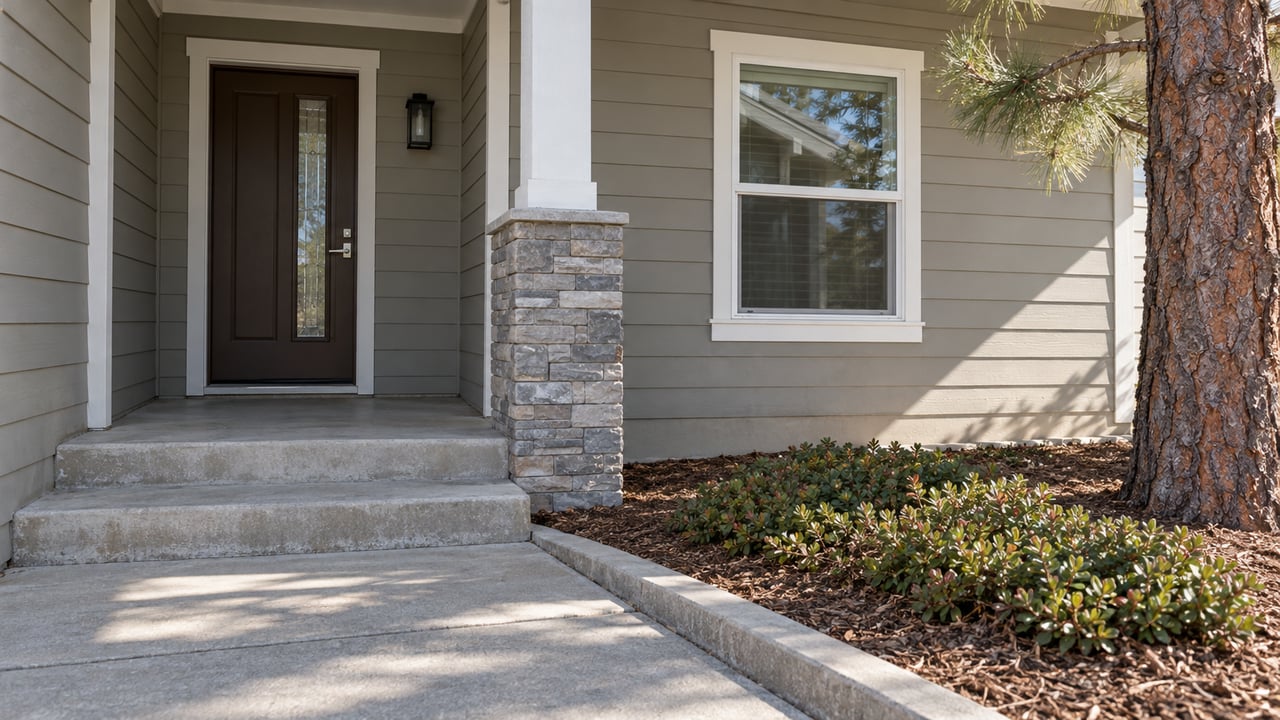
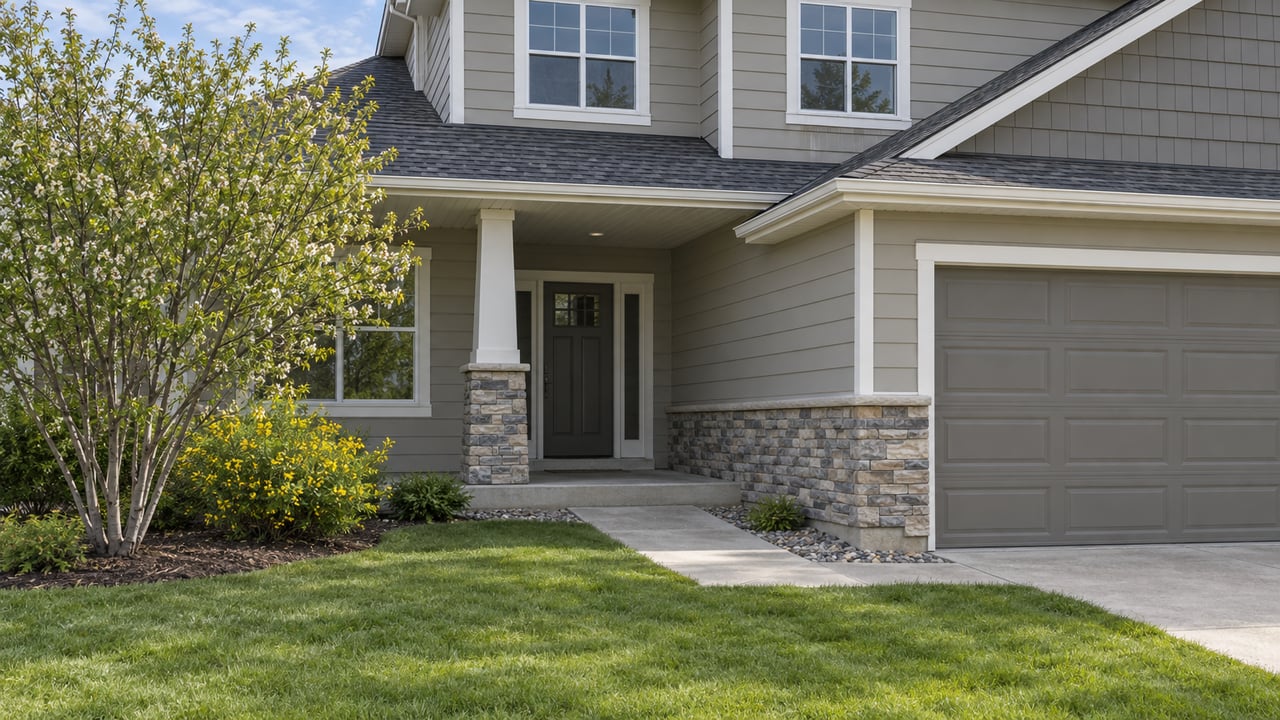
Townhomes in Highlands Ranch tend to feel more like traditional houses. Current listings commonly show two- and three-bedroom layouts from about 1,000 square feet to nearly 2,900 square feet, often with features like two-car attached garages, lofts, finished basements, covered balconies, and end-unit or ranch-style layouts.
For many buyers, that extra space is the sweet spot. You may get more room to spread out than a condo offers, while still avoiding some of the maintenance demands that come with a detached property.
Who townhomes may suit best
A townhome can make sense if you want:
- More square footage without moving into detached-home pricing
- Garage space and a more house-like layout
- Less exterior maintenance than a single-family home
- Flexible space for guests, hobbies, or working from home
- A practical step for first-time buyers or downsizers
Townhomes do still come with shared walls, community rules, and monthly dues in many cases. It is also worth noting that exterior appearance does not always tell you the legal ownership structure.
Style does not define ownership
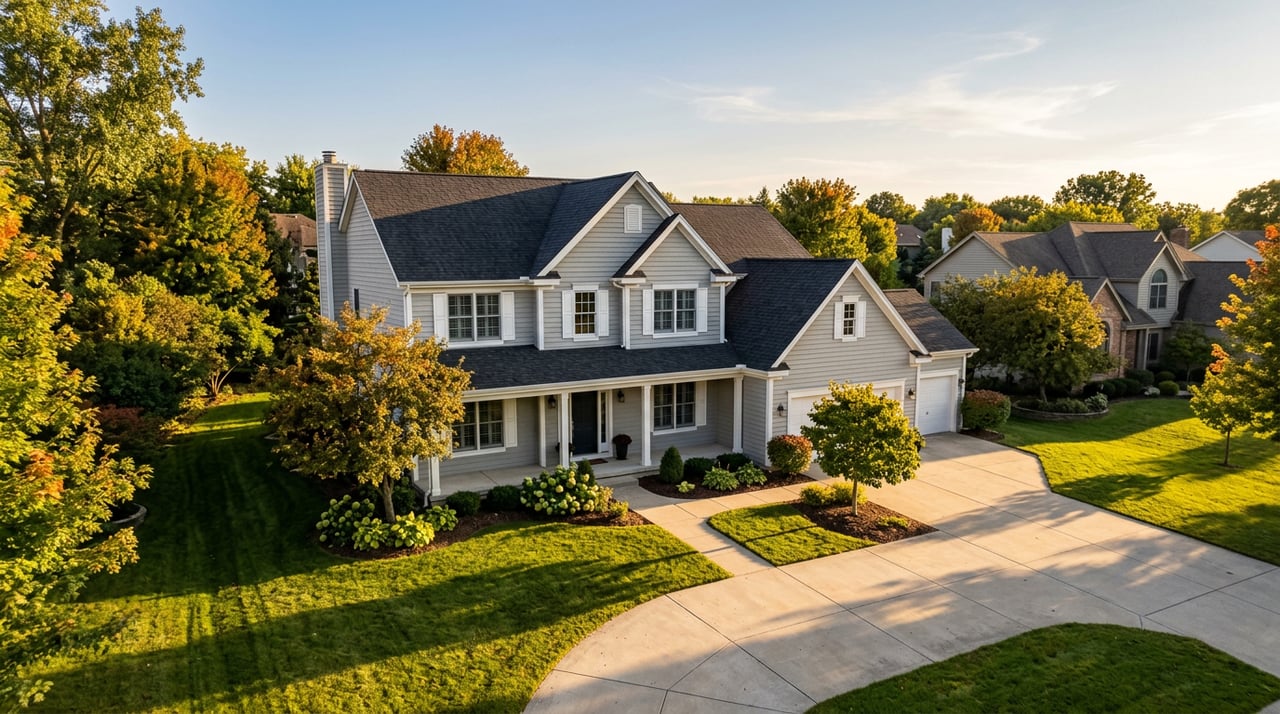
One of the most important details in attached-home shopping is this: a home that looks like a townhome may legally be part of a condo project. That means you should not rely on curb appeal alone to tell you whether you are buying fee-simple ownership or condo ownership.
The project documents will tell the real story. This distinction matters because ownership structure can affect maintenance responsibility, insurance needs, and lender review during financing.
What HOA dues may cover
Monthly dues are often a major factor in condo and townhome decisions. These dues are usually separate from your mortgage payment, and they can range from a few hundred dollars per month to more than $1,000 depending on the community and what is included.
Common fees may cover items such as:
- Exterior maintenance
- Common-area upkeep
- Water
- Sewer
- Trash
- Reserve funding for future repairs
The exact coverage varies by community, so it is smart to review the budget, governing documents, and current fee schedule carefully. A lower purchase price can lose its appeal quickly if dues are high or if the association is facing a major repair without strong reserves.
Why due diligence matters
In Colorado, due diligence is especially important in HOA-governed communities. The Colorado Department of Regulatory Agencies recommends reviewing governing documents, asking about special assessments, and checking whether the HOA is properly registered before you are fully committed.
For you as a buyer, that means looking beyond finishes and floor plans. You also want to understand the health of the association, whether reserves appear adequate, whether there are pending assessments, and whether any rules could affect how you plan to use the home.
Questions worth asking
Before you move forward on a Highlands Ranch condo or townhome, ask questions like:
- What do the monthly dues cover?
- Are there any current or planned special assessments?
- How strong are the association reserves?
- Are there rental restrictions or occupancy rules?
- Is the home legally a condo or fee-simple townhome?
- Will the lender require condo project review or extra documents?
These are the kinds of details that can shape both affordability and day-to-day ownership. A careful review on the front end can help you avoid costly surprises later.
Insurance and financing basics
With condos, the association’s master insurance policy usually covers common areas, while you as the owner still need coverage for the interior and your personal property. That division of responsibility is one more reason to read the association documents closely and confirm what type of policy you need.
Financing can also look a little different for condos. In some cases, lenders will review the condo project and require an HOA questionnaire or related documents as part of the approval process. If you are comparing a condo with a townhome, this is worth discussing early so you know what to expect.
Lifestyle benefits in Highlands Ranch
Attached-home living here is not just about the home itself. A big part of the appeal is the larger Highlands Ranch lifestyle.
The Metro District maintains 26 parks, more than 70 miles of trails, and 2,644 acres of open space. HRCA also operates four private recreation centers and the 8,200-acre Backcountry Wilderness Area. For many buyers, that combination makes it easier to enjoy an active lifestyle without taking on the upkeep of a larger lot.
How to choose between a condo and townhome
If you are deciding between the two, start with how you want to live rather than just what you want to spend. The right answer often comes down to your daily routine, maintenance preferences, space needs, and comfort with association structure.
Here is a simple way to frame it:
| If you want... | You may prefer... |
|---|---|
| Minimal exterior upkeep and shared amenities | Condo |
| More space and a house-like layout | Townhome |
| A smaller, simpler footprint | Condo |
| Garage space and possibly a basement or loft | Townhome |
| A downsizing option with less yard work | Either, depending on layout |
The best fit depends on the specific community, dues, documents, and floor plan. In Highlands Ranch, there is enough variety in both categories that it often makes sense to compare several options side by side before making a decision.
Buying an attached home is not just about finding a place that looks right. It is about making sure the monthly costs, ownership structure, and community rules truly support the lifestyle you want. If you want a clear, strategic read on Highlands Ranch condos and townhomes, Christine Martin offers thoughtful, advisor-led guidance tailored to your goals.
FAQs
What is the difference between the Metro District and HOA in Highlands Ranch?
- The Metro District is the local government entity funded mainly by property taxes, while HRCA is the homeowners association funded by assessments and program fees.
What do condo or townhome HOA fees usually cover in Highlands Ranch?
- Fees often cover items like exterior maintenance, common areas, water, sewer, trash, and reserve funding, but the exact coverage depends on the community.
Are Highlands Ranch townhomes always fee-simple ownership?
- No. Some homes that look like townhomes are legally condo projects, so you should verify the ownership structure in the project documents.
Are condos and townhomes more affordable than detached homes in Highlands Ranch?
- Often yes, directionally speaking. Current listing snapshots show lower median list prices for condos and townhomes than the broader Highlands Ranch median sale price.
What should you review before buying a condo or townhome in Highlands Ranch?
- You should review the governing documents, dues, reserve health, any special assessments, ownership structure, and possible lender or insurance requirements.