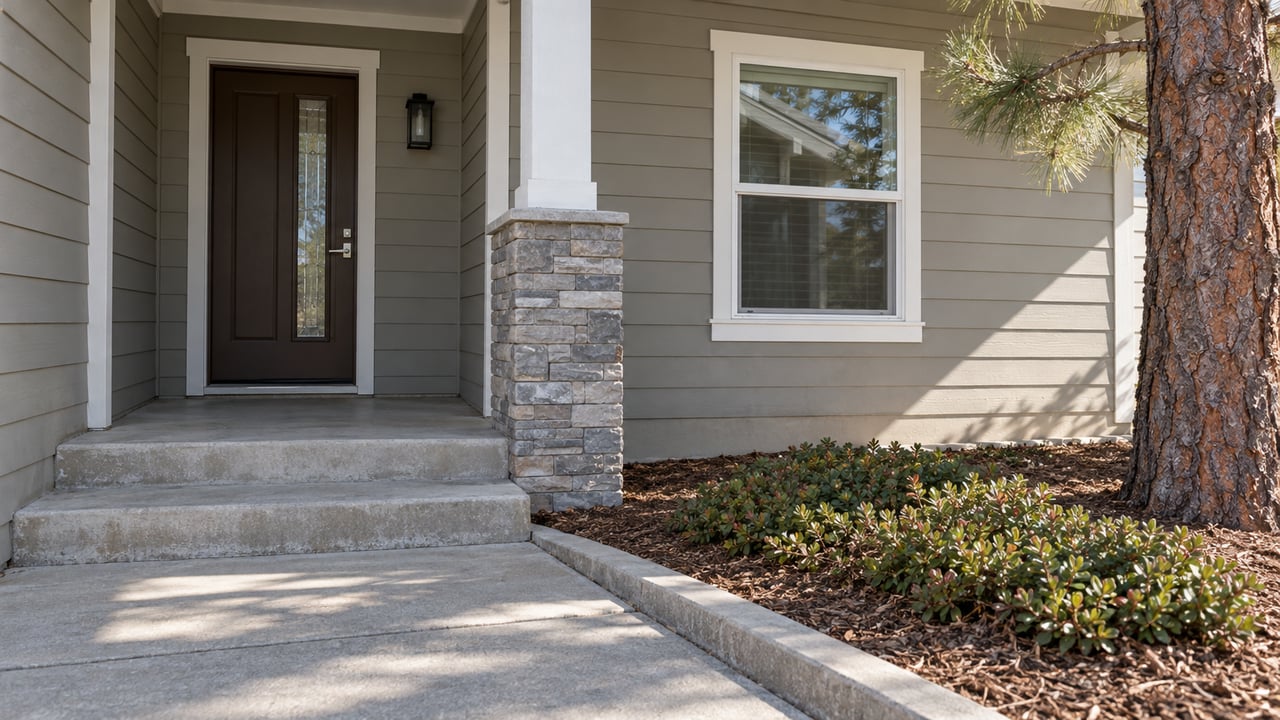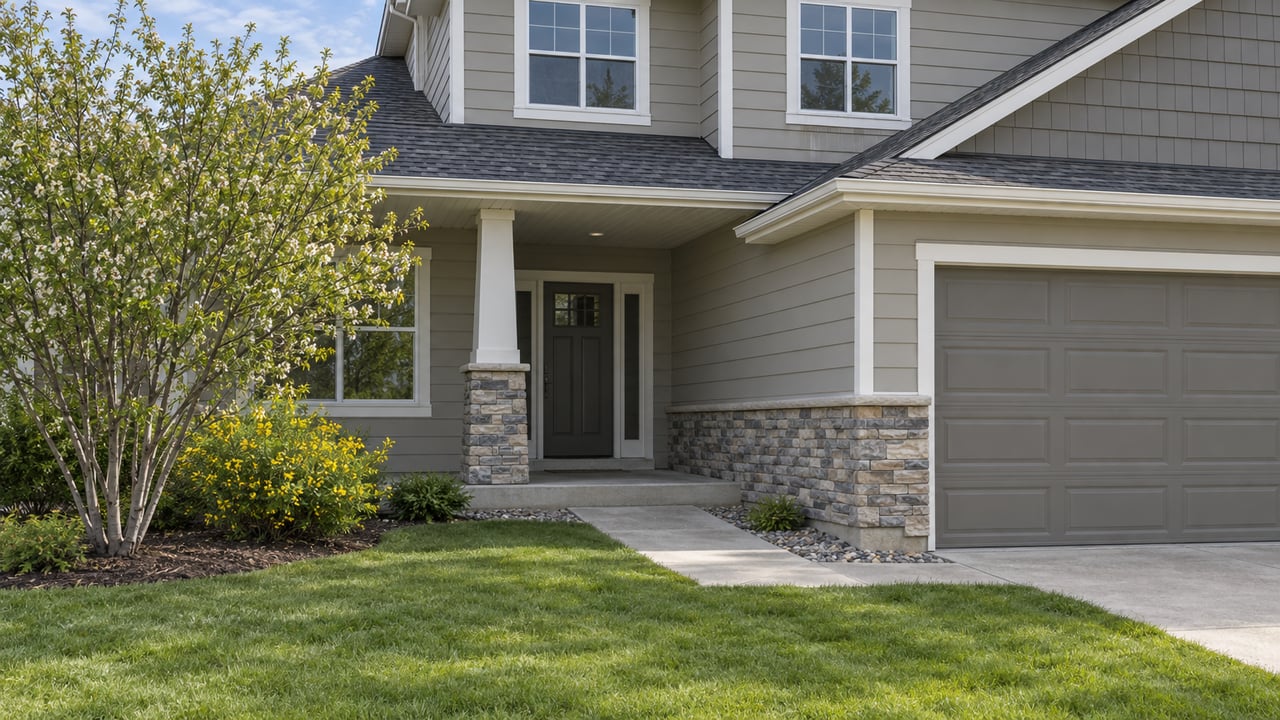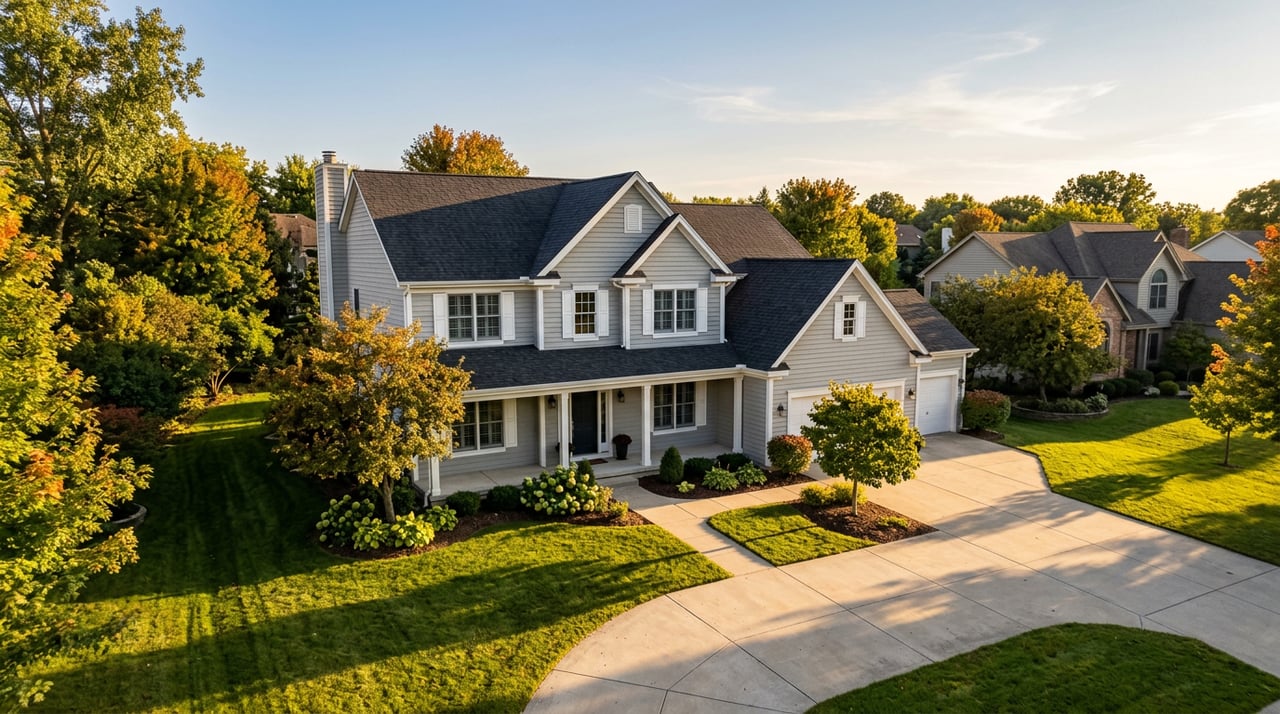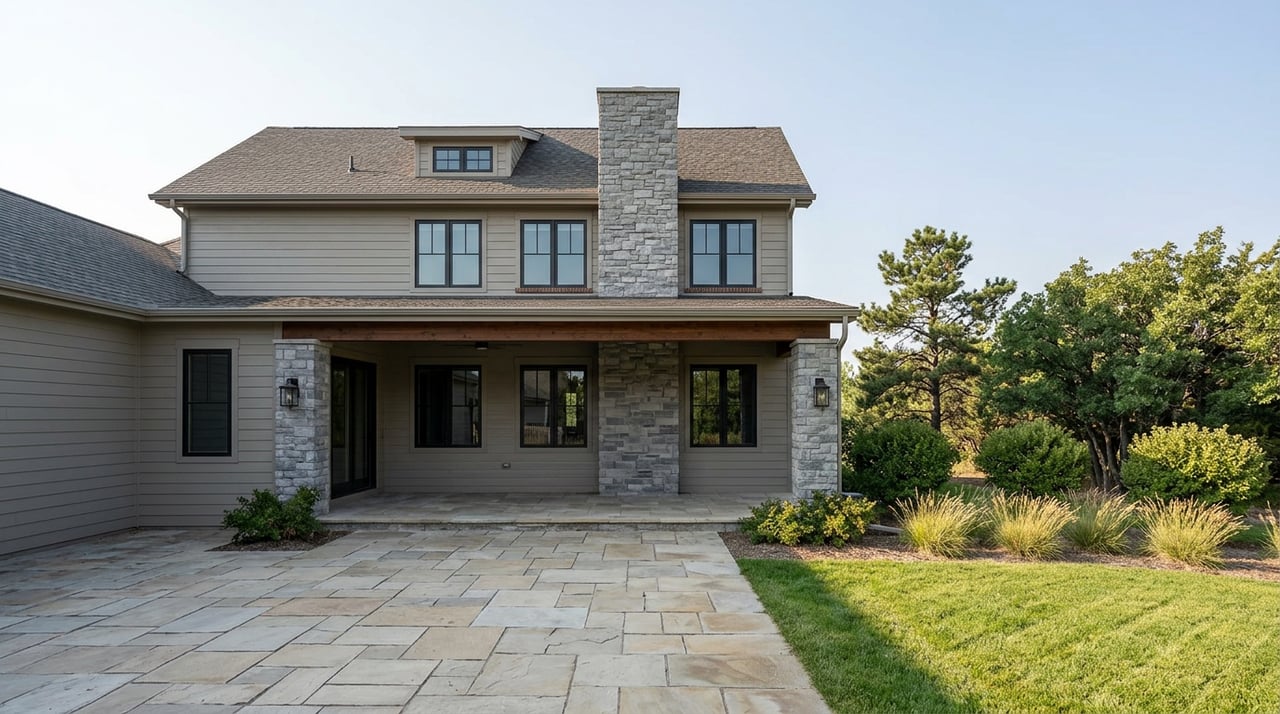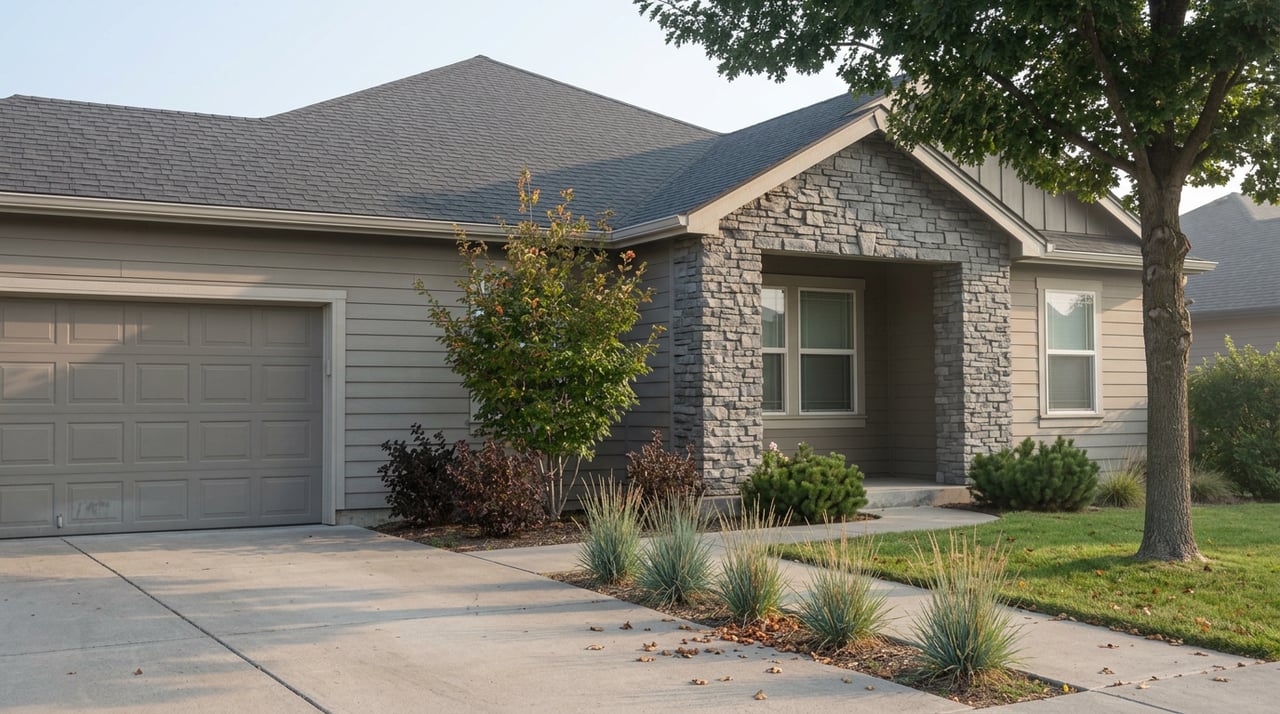
Picture two listings in Parker, both priced at $700,000. Same square footage, same finish level, same school boundary. One sits in an established neighborhood platted in the 1980s. The other is three years old in one of the town's newer master-planned sections. On paper, they're identical. On your mortgage statement, they might not be close.
The difference can be a taxing mechanism: the metro district. Many of the newest subdivisions built across the Denver metro, Parker included, are financed through a special district that issues bonds for roads, sewer lines, and the community amenities builders advertise in their brochures. Those bonds get repaid through an added mill levy on your property tax bill. An established Parker neighborhood might carry an effective tax rate somewhere around 0.6% to 0.7% of home value. A newer community financed through a metro district can run 1.1% to 1.5% or higher. Run that spread against Parker's own median price of roughly $700,000, and you're looking at something like $4,200 a year, or about $350 a month, in tax difference alone between two houses that look the same on a listing sheet. Those figures are illustrative, not a substitute for your own math, but the mechanism is real and is one factor Douglas County buyers can consider when comparing homes.
That single example points at a bigger problem with how most people shop Parker: they anchor to a median price as if it describes one market. It doesn't.
The number four different trackers can't agree on
If you've been checking home values online, you've probably already noticed the numbers don't line up. They don't line up because each platform is measuring a slightly different slice of Parker, and the gaps are large enough to matter.
| Source | Metric | Figure | Window |
|---|---|---|---|
| Zillow | Average home value (ZHVI) | $706,476, down 2.5% year over year | Updated June 30, 2026 |
| Redfin | Median sale price | $658,000, down 5.2% year over year | March 2026 |
| Movoto | Median list price | $716,000, down 2% year over year | July 2026 |
| Houzeo | Median home price | $700,000, roughly flat year over year | Late 2025 into early 2026 |
That's a $58,000 spread between the low and high figure, all describing the same town across their listed reporting windows. None of these sources is wrong. They're counting different things. Redfin is tracking closed sales, which skew toward whatever actually sold that month. Movoto is tracking list prices, which run ahead of what buyers end up paying. Zillow's index smooths values across its entire estimated inventory rather than just what changed hands. A single month with a cluster of luxury closings in Pradera or a wave of starter resales in Stonegate can swing any one of these numbers without the underlying market moving at all.
The same distortion shows up in days on market. Redfin describes Parker as a very competitive market, scoring it 80 out of 100, with homes receiving two offers on average and going under contract in around 15 days as of its most recent reporting. Movoto puts the July 2026 median at 51 days. Houzeo puts it at 71. Again, none of this is a contradiction so much as three different cuts through the same data: the fast-moving, well-priced segment that Redfin's competitive score reflects sits inside a much wider pool that includes slower-moving upper-tier and custom listings, which pull the average toward 51 or 71 days depending on how each site weights the mix.
The practical takeaway is that a single median price or a single days-on-market figure tells you almost nothing about how a specific Parker neighborhood is behaving right now. You have to go one level down.
What the same dollar buys across Parker's neighborhoods
Parker isn't one housing market wearing one price tag. It's several, stacked on top of each other and rarely competing head to head.
- Stonegate is one of Parker's oldest master-planned communities, with development dating back to 1986 and more than 3,600 homes connected by 14 miles of trails. Average resale figures reported for 2025 have ranged from the low $550,000s to the high $700,000s depending on the tracker, a spread wide enough on its own to prove the point: a Stonegate home built in the 1990s and one finished in the last few years are not the same product even inside the same neighborhood.
- Pradera operates on an entirely different scale. It's a private golf community built around the Club at Pradera, with custom and semi-custom homes generally priced from $1 million into the $2 million-plus range.
- The Pinery and the Timbers at The Pinery trade on ponderosa pine acreage and a country club setting, with custom and luxury new construction reaching from the $800,000s past $1.5 million.
- Idyllwilde offers newer craftsman-style construction built around a clubhouse and community pool, generally priced from the $650,000s to $900,000.
- Canterberry Crossing, also marketed as the Villages of Parker, is built around Black Bear Golf Club and spans a wide range, from roughly $550,000 to $1 million and up.
Those five bands vary widely in how they compare with the town-wide figures ranging from $658,000 to $716,000 cited above. A buyer using those figures as a budget anchor for Pradera will be off by hundreds of thousands of dollars. A buyer using them to gauge Stonegate resale value might be reasonably close, or might be shopping the wrong decade of construction within the same subdivision.
How builder incentives affect resale comparisons
Tax districts aren't the only factor in that comparison.
Denver metro builders were sitting on new-home inventory near a 15-year peak as of May 2026, and they've been responding with rate buydowns, closing cost credits, and upgrade packages rather than posted price cuts. A common structure is the 2-1 buydown, where the buyer's interest rate is reduced by two percentage points in year one and one point in year two before settling at the full note rate in year three, with the builder covering the cost. Mortgage brokers tracking Castle Rock and Parker specifically confirmed as of late July 2026 that this kind of incentive, alongside closing cost credits and design center upgrades, remains active on builder spec inventory across both towns.
Here's why that matters for a resale seller in an older Parker neighborhood: Builders may offer a rate buydown instead of changing the posted price; those incentives may not appear in public sales records. A brand-new home listed at $750,000 with a builder-paid rate buydown might carry a materially lower effective monthly cost than a $700,000 resale down the street, even though the resale looks cheaper on paper. If you're selling an established Parker home and your neighborhood sits near an active new-construction community, you're not just competing against the builder's list price; buyers may also consider incentives that public comp reports don't reflect.
The median price tells you what Parker sold for. It doesn't tell you what the buyer actually paid to live there.
What this means if you're comparing neighborhoods
Treat any town-wide Parker number, whether it's a median price, an average days-on-market figure, or a year-over-year percentage, as a starting point rather than a conclusion. The real comparison happens at the neighborhood level, and it needs to include three things most online searches skip:
First, ask whether the community sits inside a metro district, and get the actual current mill levy rather than an estimate. Second, if you're weighing new construction against resale at similar price points, ask the builder directly what rate buydown or credit is attached to that unit today, because it changes the real cost of ownership more than the sticker price does. Third, look at how long homes have actually taken to sell within the specific neighborhood you're considering over the last 60 to 90 days, not the town-wide average, since Stonegate, Pradera, and Idyllwilde are not moving at the same speed.
Frequently asked questions
Is Parker a buyer's market or a seller's market right now? It depends heavily on price tier. Entry and mid-range resale in established neighborhoods has continued to move quickly, consistent with Redfin's competitive scoring and short list-to-pending timelines. Upper-tier and custom inventory in communities like Pradera and The Pinery has generally taken longer to sell, which is part of why the town-wide days-on-market figures range so widely across different trackers.
How do I find out if a Parker neighborhood has a metro district before I get attached to a house? Ask the listing agent for the current mill levy and any metro district disclosure documents, and confirm the figure with the actual property tax bill rather than a listing estimate. Older, established sections of Parker are less likely to carry this cost structure than communities built in the last decade or two.
Are builder rate buydowns still available in Parker as of August 2026? Based on activity reported through late July 2026, yes. Denver metro builders have been carrying incentives including rate buydowns and closing cost credits to move inventory near a multi-year high, and Parker and Castle Rock have both been named as active markets for this kind of offer. Availability and structure change by community and by builder, so confirm current terms before comparing a new build to a resale on price alone.
If you're trying to figure out what a specific Parker neighborhood's number actually means for your budget, that's the conversation worth having before you write an offer, not after. Christine Martin works these Douglas County comparisons street by street, tax district by tax district, and can walk you through what a given price actually buys in the neighborhood you're weighing. Schedule a complimentary consultation to start with the numbers that apply to your specific search, not the town-wide average.
This article is general information, not legal, tax or financial advice. Consult a qualified professional about your situation.